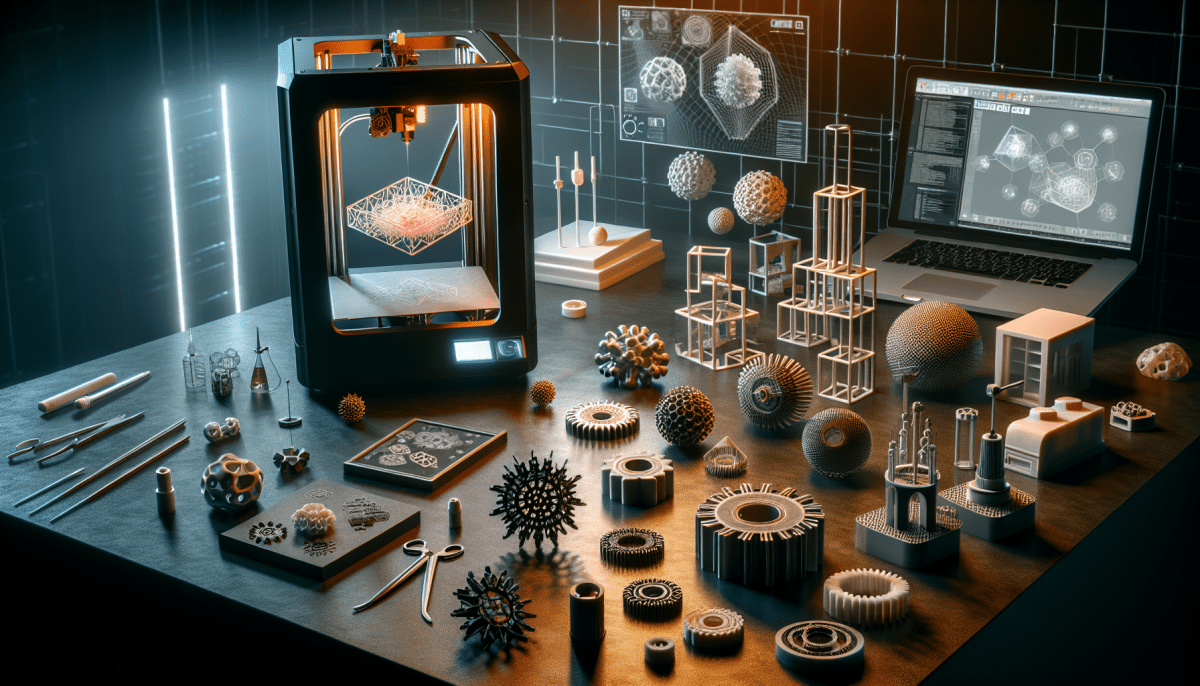
3D printing is all about creating three-dimensional objects from a digital design. It sounds high-tech, but at its core, it’s pretty simple. You start with a 3D model, which can be made using specialized software or downloaded from online repositories. Then, the printer layers material to build the object from the ground up.
The process is often called additive manufacturing. That just means the printer adds material layer by layer, instead of cutting away from a solid block like traditional manufacturing does. This opens up a world of design possibilities, letting you create complex shapes that wouldn’t be possible with regular tools.
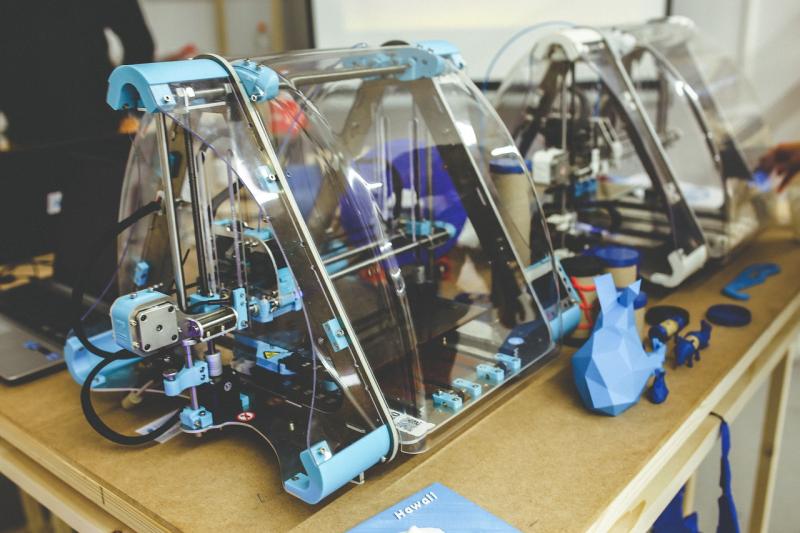
There are different types of 3D printing technologies, but the most common for beginners is FDM, or Fused Deposition Modeling. This method works by melting plastic filament and depositing it in layers. It’s affordable and easy to use, making it a great choice for new users.
Now, let’s talk materials. The most common filament is PLA, a biodegradable plastic that’s safe to use. It’s great for beginners because it’s forgiving and doesn’t require a heated bed. There are also other materials like ABS and PETG, each with its own properties and uses. Choosing the right material can depend on what you’re printing and how you plan to use the final object.
Lastly, don’t stress about making everything perfect right away. 3D printing is a learning process. You’ll make mistakes, but that's part of the fun. Start with simple projects and gradually tackle more complex designs as you get comfortable. Dive right in and enjoy the creative journey!
Choosing Your First 3D Printer
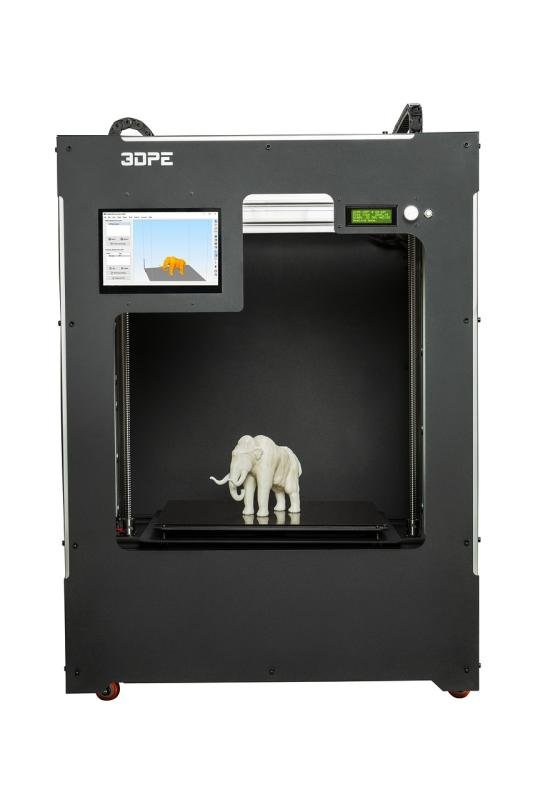
First off, think about what you want to print. Are you into small models, toys, or practical items? A smaller, entry-level printer could be perfect for you. Look for printers that use FDM (Fused Deposition Modeling) technology, which is pretty user-friendly and great for beginners. Popular models like the Creality Ender 3 or the Anycubic i3 Mega are solid choices.
Next, consider the build volume. That’s the space where the printer can create your items. If you’re planning to make larger projects, look for a printer with a bigger build area. But if you just want to dip your toes in, a smaller printer is totally fine. A build volume of around 8 x 8 x 8 inches is a good starting point.
Don’t forget about the material! Most beginners stick with PLA, which is super easy to work with. It doesn’t require a heated bed and comes in all sorts of fun colors. Later on, you can explore other materials like ABS or PETG as you get the hang of things.
Finally, check for community support. A printer with a good online community can be a lifesaver when you hit bumps in the road. Look for models with active forums or Facebook groups—these are great places to ask questions and find tips from other users. Once you find the right fit, you’ll be ready to unleash your creativity!
Essential Accessories You’ll Need
When you dive into 3D printing, having the right accessories can make your experience so much smoother. You don’t just want the printer; you need some essential gear to really get going. Here’s a quick rundown of what you should consider picking up.
Filament: This is the stuff that brings your designs to life. Choose the right filament for your projects based on the type of material you want to work with. PLA is a great starter because it’s easy to use and doesn’t require a heated bed. If you’re feeling adventurous, try ABS or PETG later on.
Print Bed Adhesive: Nothing’s worse than losing your masterpiece mid-print, right? A good adhesive can help your prints stick better to the bed. Options like glue sticks, hairspray, or specific 3D printing adhesives can make a big difference.
Tools: Having a few handy tools can really up your printing game. A scraper helps you remove prints from the build plate without damaging them. Tweezers are great for cleaning off stringy bits of filament, and a pair of scissors can help trim any overhangs.
Spare Nozzles: Nozzles can wear out over time, especially if you print a lot. Having a couple of spare nozzles on hand ensures you don’t get caught off guard. They’re affordable and easy to replace, so don’t skip this step!
Simple Projects to Kick Off Your Journey
If you’re just diving into the world of 3D printing, starting with simple projects can be a great way to get your feet wet. You’ll quickly gain confidence and get familiar with how your printer works. Here are some fun ideas to get you going!
1. Keychains: A keychain is a super easy project. You can find plenty of free designs online or create your own. Get creative! Add your name or a favorite shape. It's a fun way to personalize your keys.
2. Phone Stand: Everyone needs a good phone stand. They’re useful and practical. Plus, you can design one that fits your style. There are lots of designs available, or you can tweak existing ones to make it yours.
3. Planters: Consider printing small planters for your favorite succulents. They’re cute, and they add a nice touch to any room. You can experiment with shapes and sizes, and if they turn out great, you can even gift them!
4. Tool Holders: Keep your workspace tidy by printing tool holders. Whether it’s for pens, brushes, or small gadgets, it helps keep everything in its place. Plus, it’s a super practical project that you'll appreciate every day.